Explore our programs
Explore our programs
/ Brighter Futures For All /
Founded in 2018, Dementia Studies Foundation is a non-profit organization committed to raising awareness and extending access to the best options for prevention, diagnosis, treatment, and care to every family in every community touched by Alzheimer’s and dementia.
We work to eliminate barriers to diagnosis, treatment, and care; build bridges for future clinical and non-clinical Alzheimer’s and dementia-related needs; and encourage prevention and proactive brain health care. We do this through relationships, partnerships, education, events, and special initiatives.

Bringing trusted brain health education and resources directly into communities. The Brain Health Bus raises awareness, shares reliable information, and helps connect individuals and families affected by dementia and Alzheimer’s to transportation solutions and local support.

Preparing the next generation of healthcare leaders through hands-on internships in science, business, and clinical research. We partner with Dallas ISD and local colleges to create meaningful academic and career pathways for students passionate about making a difference.

Leading community-driven initiatives and partnerships that promote prevention, encourage early diagnosis, and connect families to proper treatment options. Through workshops, events, and outreach, we bring evidence-based brain health knowledge to every neighborhood.

Identifying and removing the obstacles that keep families from accessing dementia research, diagnosis, treatment, and care. We develop inclusive, practical solutions so that quality support reaches every person in every community – without exception.
Be part of an insightful community discussion with Dr. Diana Kerwin open to all who want to learn and connect.
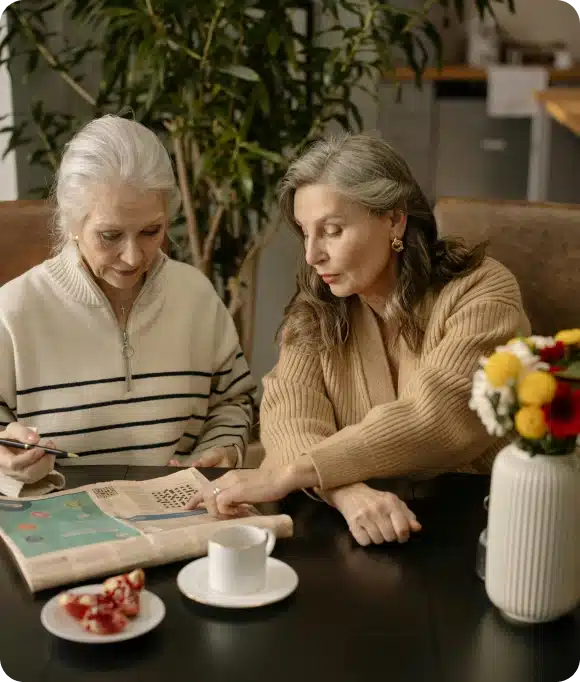


We envision a world where every person affected by dementia is treated with dignity, understanding, and access to quality care. Dementia Studies Foundation provides compassionate support, education, and resources for individuals living with dementia and the families who care for them. From early signs to ongoing caregiving, we walk alongside you – eliminating barriers and building bridges to better outcomes in every community.
Read articles by professionals, subject experts and more




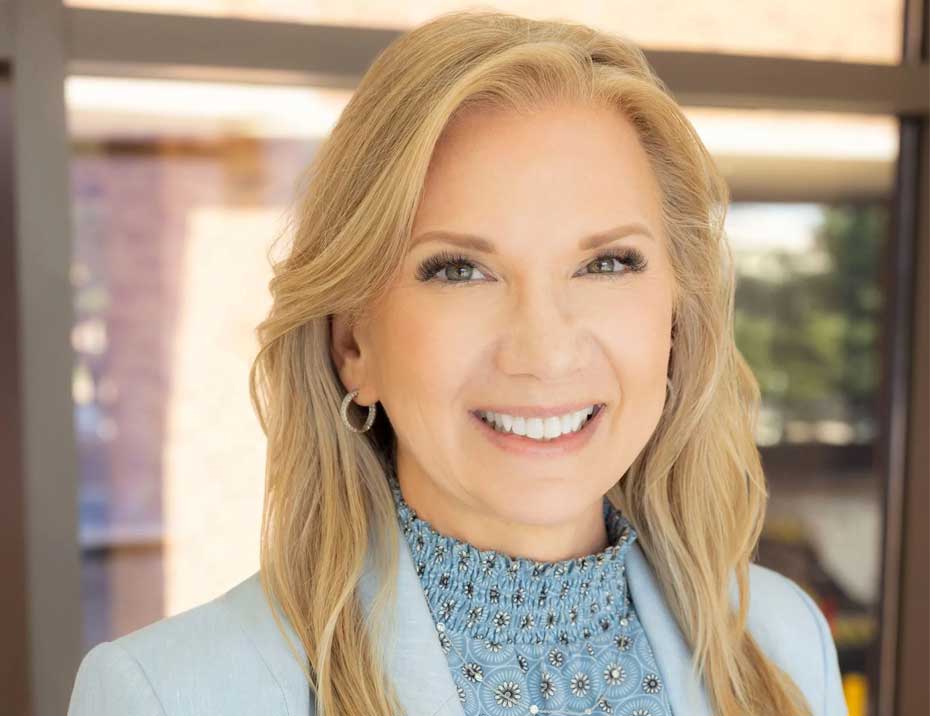
Dr. Diana R. Kerwin, a leading physician and expert in Alzheimer’s and other dementias, has dedicated her career to advancing the understanding of the root causes of these diseases, improving treatment options, and working toward a cure. Her work extends beyond clinical research, drawing deep inspiration from her patients, their families, and the broader caregiving community impacted by neurodegenerative conditions.
In 2018, she founded the Dementia Studies Foundation (DSF) to expand access to dementia prevention, diagnosis, treatment, and care. Through research, education, and partnerships, DSF works toward a future with no barriers to dementia support for any community.

What Is Dementia and How Is It Different from Alzheimer's?
Dementia is an umbrella term describing many conditions that affect memory and brain function. Alzheimer's is the most common cause, but not the only one. Learn what the differences mean for diagnosis, treatment, and your family's next steps.

You're Not Alone: A Guide for Dementia Caregivers
Over 11 million Americans provide unpaid care for someone with dementia. From managing daily routines to navigating the healthcare system, caregiving can feel overwhelming. Here's how to find support, set boundaries, and take care of yourself along the way.

Proactive Steps You Can Take for Better Brain Health
Research shows that managing blood pressure, staying active, eating a brain-healthy diet, and getting quality sleep can all reduce your risk. Prevention starts today - and it's never too early or too late to make a difference.

When Should You Talk to Your Doctor About Memory Loss?
Not all memory changes are cause for concern, but knowing the difference between normal aging and early warning signs matters. Early evaluation opens the door to better outcomes, more treatment options, and peace of mind.
Early signs may include memory loss that disrupts daily life, confusion about time or place, difficulty completing familiar tasks, poor judgment or decision-making, and noticeable changes in mood or behavior. If these changes go beyond what’s typical for aging – like losing track of the season or being unable to retrace steps after misplacing things – it’s important to talk to your doctor.
Diagnosis typically begins with a thorough medical history, followed by memory testing that your doctor may conduct in-office or through a neuropsychologist. Blood tests can rule out reversible causes such as thyroid issues or vitamin B12 deficiency. Brain imaging, including MRI and advanced PET scans, may also be used to identify underlying changes. Early evaluation is key to getting the right diagnosis and accessing the best care options.
While there is no guaranteed way to prevent dementia, research shows that proactive brain health habits can reduce your risk. Managing blood pressure, cholesterol, and blood sugar, staying physically active with a goal of 30 minutes daily, following a brain-healthy diet like the MIND Diet, getting quality sleep, and staying socially engaged all contribute to better brain health over time.
There are many ways to support the Dementia Studies Foundation. You can attend our community education events, volunteer your time, participate in or refer others to clinical trials, or make a donation. We also offer internship programs for high school and college students interested in science and healthcare careers. Reach out to us at info@dementiastudiesfoundation.org to learn more.
Yes. While there is no cure yet, there are FDA-approved medications that can help manage symptoms, and newer disease-modifying treatments have recently been approved that are more effective when used in the early stages. Clinical trial participation is also an option. It’s important to discuss your specific diagnosis and all available treatment options with your doctor – there is hope in today’s treatments and in the research ahead.
